Creating a cozy and productive home office is essential for anyone who works or studies from home. A thoughtfully designed space can improve focus, reduce distractions, and make working more enjoyable. Whether you have a dedicated room or just a small corner, there are simple and effective ways to craft a workspace that feels inviting and helps you stay on track. In this post, we’ll explore practical tips to help you design a home office that balances comfort and productivity.
Choose the Right Location
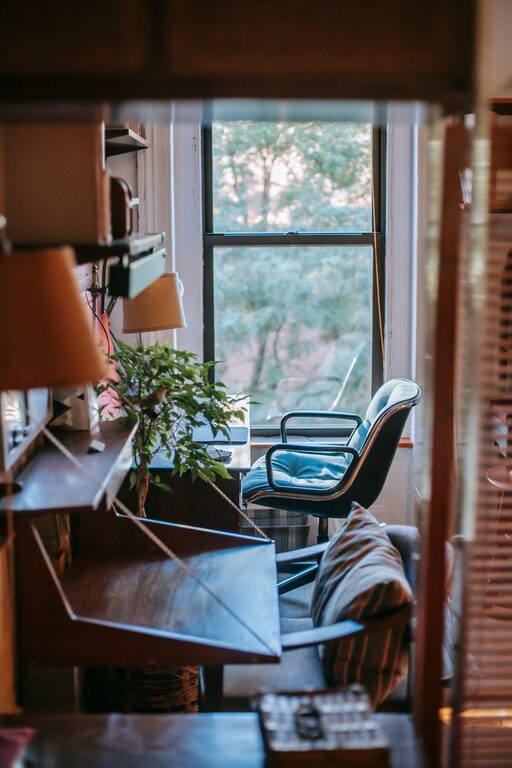
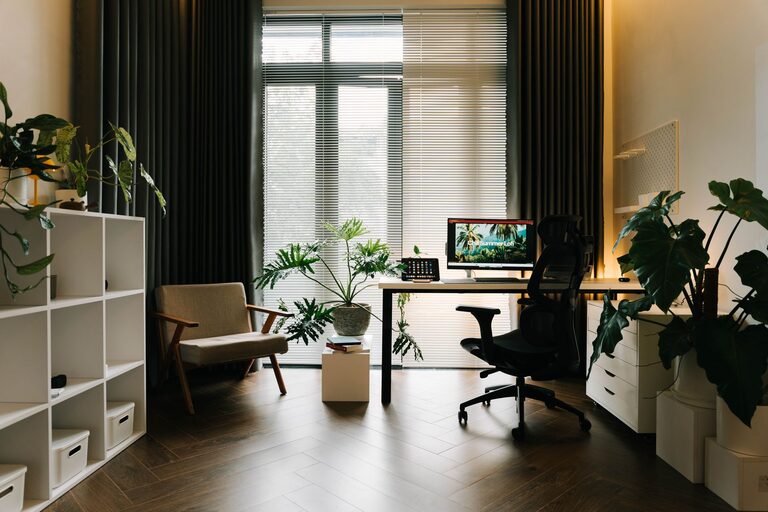
One of the first steps in setting up your home office is selecting the best spot. Ideally, pick a location with natural light and minimal noise. A quiet place away from heavy foot traffic can improve concentration. If you don’t have a separate room, find a nook or corner that can be dedicated to work. Having a specific area for your tasks helps signal your brain when it’s time to focus.
Invest in a Comfortable Chair and Desk
Comfort is key for long work sessions. Choose an ergonomic chair that supports your back and encourages good posture. A desk at the right height prevents strain on your wrists and shoulders. Adjustable desks or sit-stand options can add flexibility and help you stay active throughout the day. Remember, comfort doesn’t have to come at a high price—there are great options available for various budgets.
Personalize Your Space
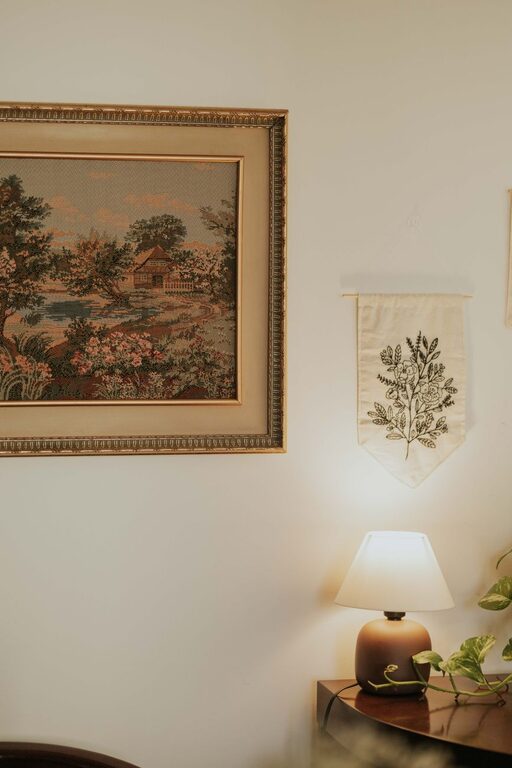
Adding personal touches makes your office feel welcoming and uniquely yours. Use colors you enjoy in wall paint, accessories, or furniture. Display photos, artwork, or plants to create a pleasant atmosphere. Plants not only enhance aesthetics but can also improve air quality and reduce stress. Keep items that inspire you nearby to maintain motivation and creativity.
Optimize Lighting
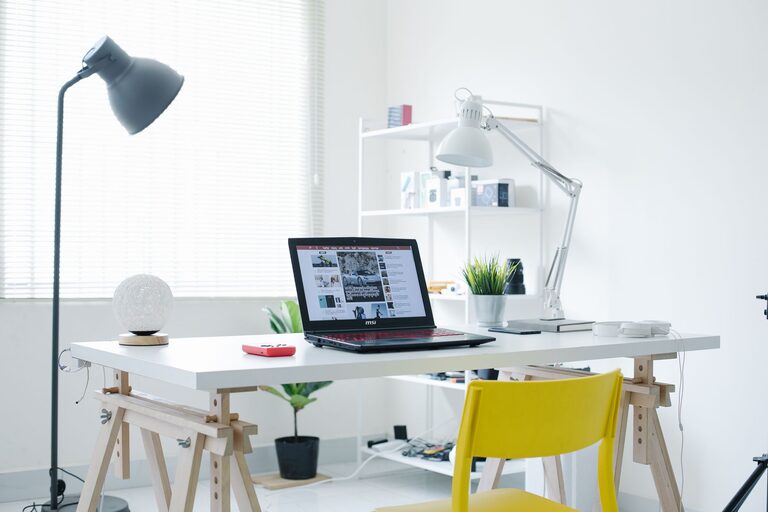
Good lighting is crucial for both comfort and productivity. Natural light is ideal, so position your desk near a window if possible. Complement it with task lighting like a desk lamp for focused work during darker hours. Choose bulbs that mimic daylight for a bright and clear environment. Avoid harsh overhead lights that can cause glare or eye strain. Proper lighting helps reduce fatigue and keeps you alert.
Organize Your Desk and Supplies
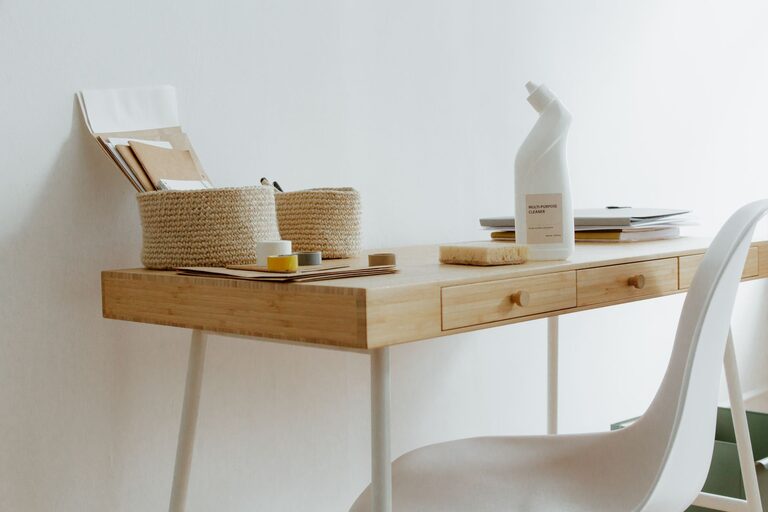
A clutter-free desk reduces distractions and helps you work efficiently. Use organizers for pens, papers, and other supplies to keep everything within reach but out of the way. Drawer dividers, shelves, or storage bins can help maintain order. Consider going digital with note-taking and document storage to minimize paper piles. Regularly tidying your workspace encourages better focus and sets a productive tone.
Manage Noise Levels
Depending on your environment, noise can be a major productivity challenge. Use noise-cancelling headphones or play background music or white noise to block distractions. If possible, add soft furnishings like rugs, curtains, or cushions that absorb sound. Communicate your working hours with others in your home to minimize interruptions. Creating a calm auditory environment supports concentration and a stress-free workflow.
Set Boundaries and Routines
Maintaining clear boundaries between work and personal life is essential when working from home. Define your office area as a no-distraction zone during work hours. Establish routines, such as starting your day at the same time and taking regular breaks. Use techniques like the Pomodoro method to stay focused. Ending your day with a set closing ritual helps you switch off and keeps your workspace organized for the next session.
Incorporate Technology Wisely
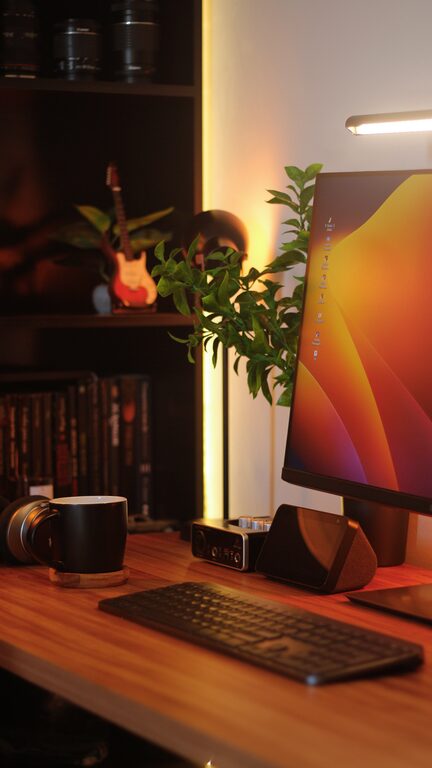
Technology is a valuable tool but can sometimes become a source of distraction. Use apps to block distracting websites or manage your tasks effectively. Keep cables organized with clips or sleeves to reduce clutter. Invest in reliable internet and a good-quality webcam or microphone for virtual meetings. Ensure your workspace supports your technological needs without overwhelming the space.
Add Comfort Elements
Small comfort features make a big difference. Keep a cozy blanket or cushion nearby for chilly days. A water bottle or mug for your favorite beverage encourages hydration. Good ventilation ensures fresh air and a comfortable temperature. Adding a footrest or wrist support can prevent strain. Comfortable details help maintain well-being throughout your working day.
Keep It Flexible and Evolving
Your home office should grow with your needs. Periodically reassess your setup and make adjustments if necessary. Flexibility allows you to incorporate new tools, refine organization, or redesign for better comfort and efficiency. Keep experimenting until you find what truly supports your productivity and well-being.
—
Designing a cozy and productive home office is about balancing comfort with functionality. With the right location, furniture, lighting, and organization, you can create a workspace that motivates you and makes working at home a pleasure. Taking the time to set up your office thoughtfully pays off with improved focus and enjoyment every day. Start with these tips and tailor your space to fit your unique work style and preferences.
About the Author