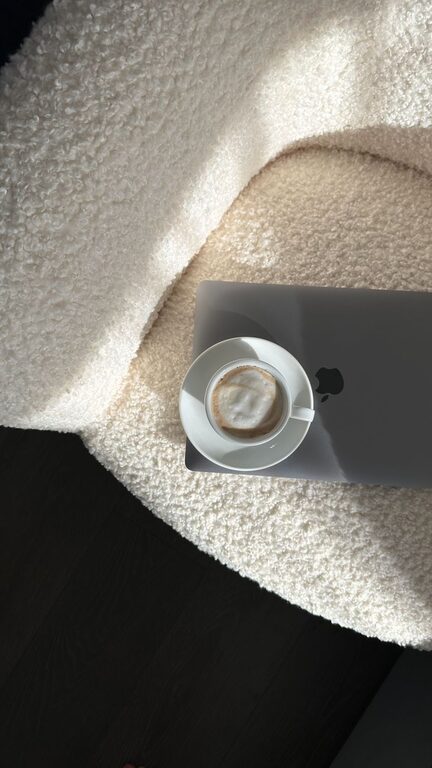
Creating a relaxing home office environment is essential for anyone working remotely or spending long hours at a desk. A well-designed space not only boosts comfort but also improves focus and productivity. If your home office feels cluttered, noisy, or uninspiring, it’s time to make some changes. Here are practical tips to help you create a calming workspace that supports your work and well-being.
Why a Relaxing Home Office Matters
When your workspace is comfortable and organized, you can concentrate better and reduce stress. A chaotic or uncomfortable office can lead to distractions and fatigue, making it harder to get things done. By designing a space that feels inviting and peaceful, you set yourself up for a productive day.
Choose the Right Location
Start by selecting a quiet spot in your home where you can work without constant interruptions. If you don’t have a dedicated room, pick a corner that can be separated from your living space. Natural light is also a big plus—it improves mood and alertness.
Tips for Choosing Your Location:
– Avoid high-traffic areas like the kitchen or living room
– Look for a place near a window for fresh air and sunlight
– Consider noise levels and privacy
Invest in Comfortable Furniture
Your chair and desk play a major role in how relaxed you feel during work. Choose ergonomic furniture that supports your posture and reduces strain. You’ll likely spend many hours sitting, so comfort here is key.
Furniture Guidelines:
– Use an adjustable chair with good lumbar support
– Opt for a desk at the correct height to keep wrists and arms comfortable
– Add a footrest if your feet don’t naturally touch the ground
Organize Your Workspace
Clutter can make you feel overwhelmed. Keeping your desk and surrounding area tidy helps you focus better and feel calm.
Organization Strategies:
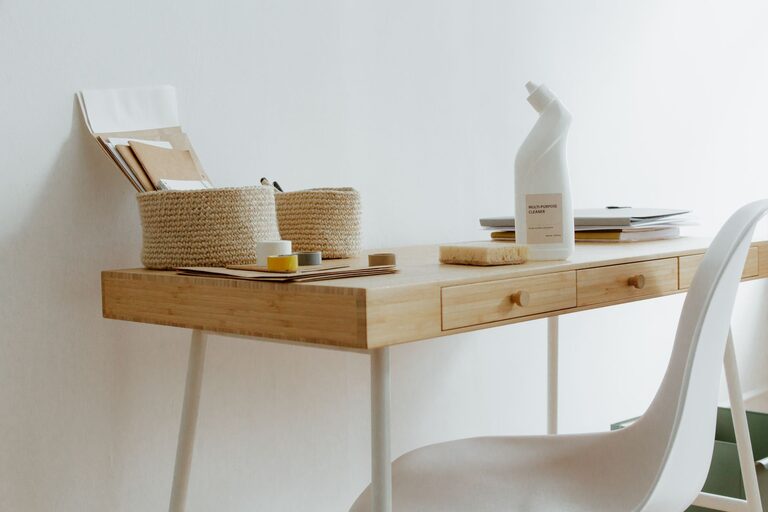
– Use drawer organizers or desktop trays to keep supplies in place
– Go digital to reduce paper clutter by scanning important documents
– Declutter regularly—don’t let unused items pile up
Control Lighting
Lighting affects how easily you can work and your overall mood. Whenever possible, make the most of natural light. Supplement it with lamps that provide warm, adjustable lighting.
Lighting Tips:
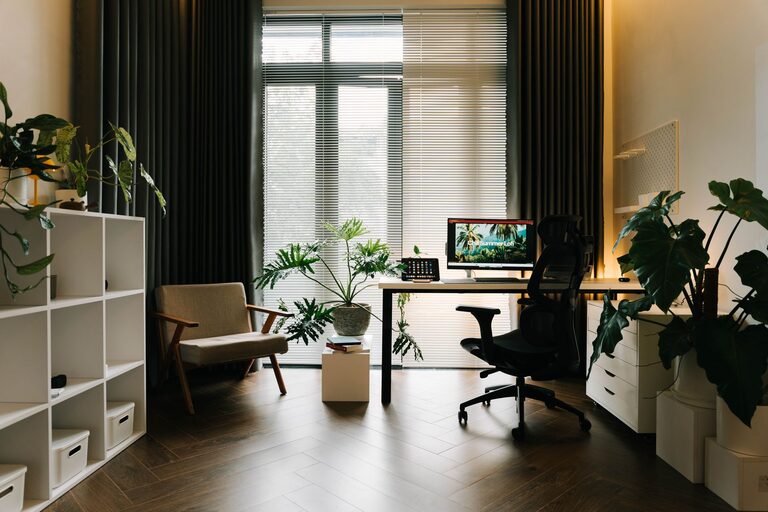
– Position your desk near a window but avoid glare on your screen
– Use a desk lamp with adjustable brightness for late hours
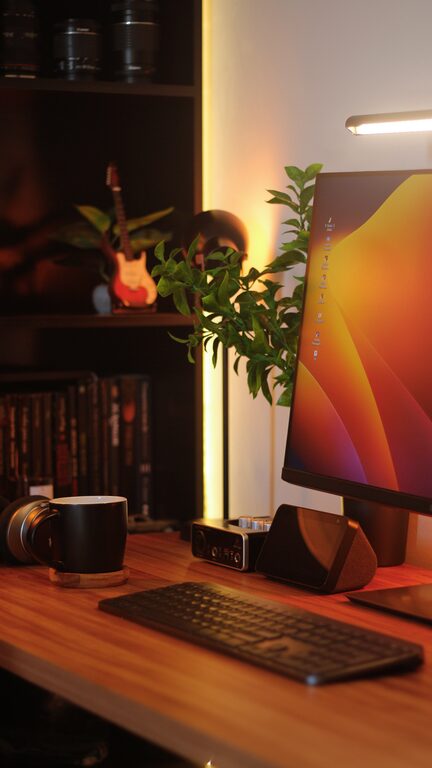
– Consider soft, warm light bulbs to create a cozy atmosphere
Add Soothing Elements
Incorporating calming features into your office can help reduce stress and increase comfort.
Ideas for Soothing Additions:
– Place some green plants on your desk or nearby shelves—they improve air quality and create a sense of nature
– Use essential oil diffusers or scented candles with gentle, natural fragrances like lavender or eucalyptus
– Add soft textiles like a small cushion or a throw blanket for coziness
Manage Noise Levels
Noise distractions can break your concentration. Consider ways to keep your space quiet or mask background noise.
Noise Management Tips:
– Use noise-cancelling headphones if you can’t control external sounds
– Play gentle background music or white noise to improve focus
– Add soft surfaces like rugs or curtains to absorb sound echoes
Personalize Your Space Tastefully
Your office should feel uniquely yours but avoid overstimulating decorations. Choose items that inspire and motivate you.
Personalization Ideas:
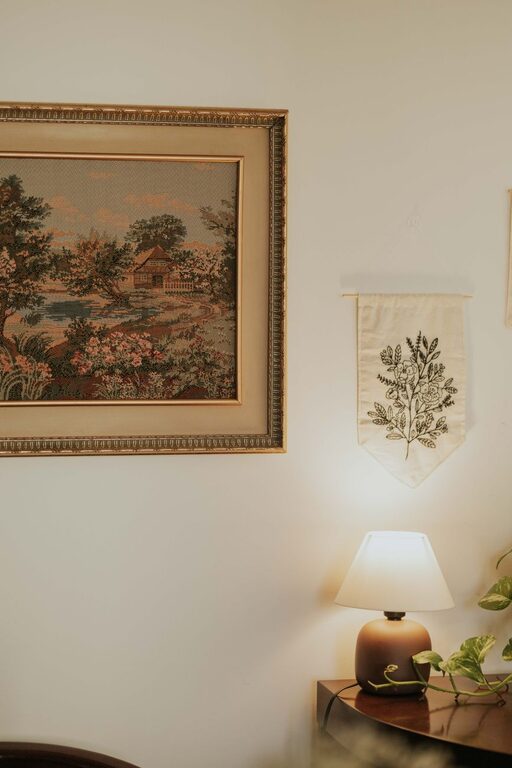
– Display a few favorite photos or artwork
– Use colors that you find calming—soft blues, greens, or neutrals work well
– Keep inspirational quotes visible but minimal
Take Breaks and Move
Even in the most relaxing office, you’ll need to move regularly to stay healthy and refreshed.
Break Tips:
– Follow the 20-20-20 rule: every 20 minutes, look at something 20 feet away for 20 seconds to reduce eye strain
– Stand up, stretch, or walk around for a few minutes every hour
– Consider a sit-stand desk if possible for variety
Keep Technology in Check
Technology powers your work but can also cause distractions. Organize your equipment neatly, and manage notifications to stay focused.
Tech Management Tips:
– Keep cords organized with clips or under-desk trays
– Turn off unnecessary notifications during deep work sessions
– Use apps or tools designed for time management and focus
Final Thoughts
Creating a relaxing home office environment takes a bit of planning but pays off in how you feel and perform. By choosing the right location, investing in comfort, minimizing distractions, and adding calming touches, you can improve both your productivity and well-being. A peaceful workspace is a foundation for success and satisfaction in your work-from-home journey.
Start small by implementing one or two of these tips, and adjust as you discover what works best for you. Your ideal home office is just a few thoughtful changes away!
About the Author